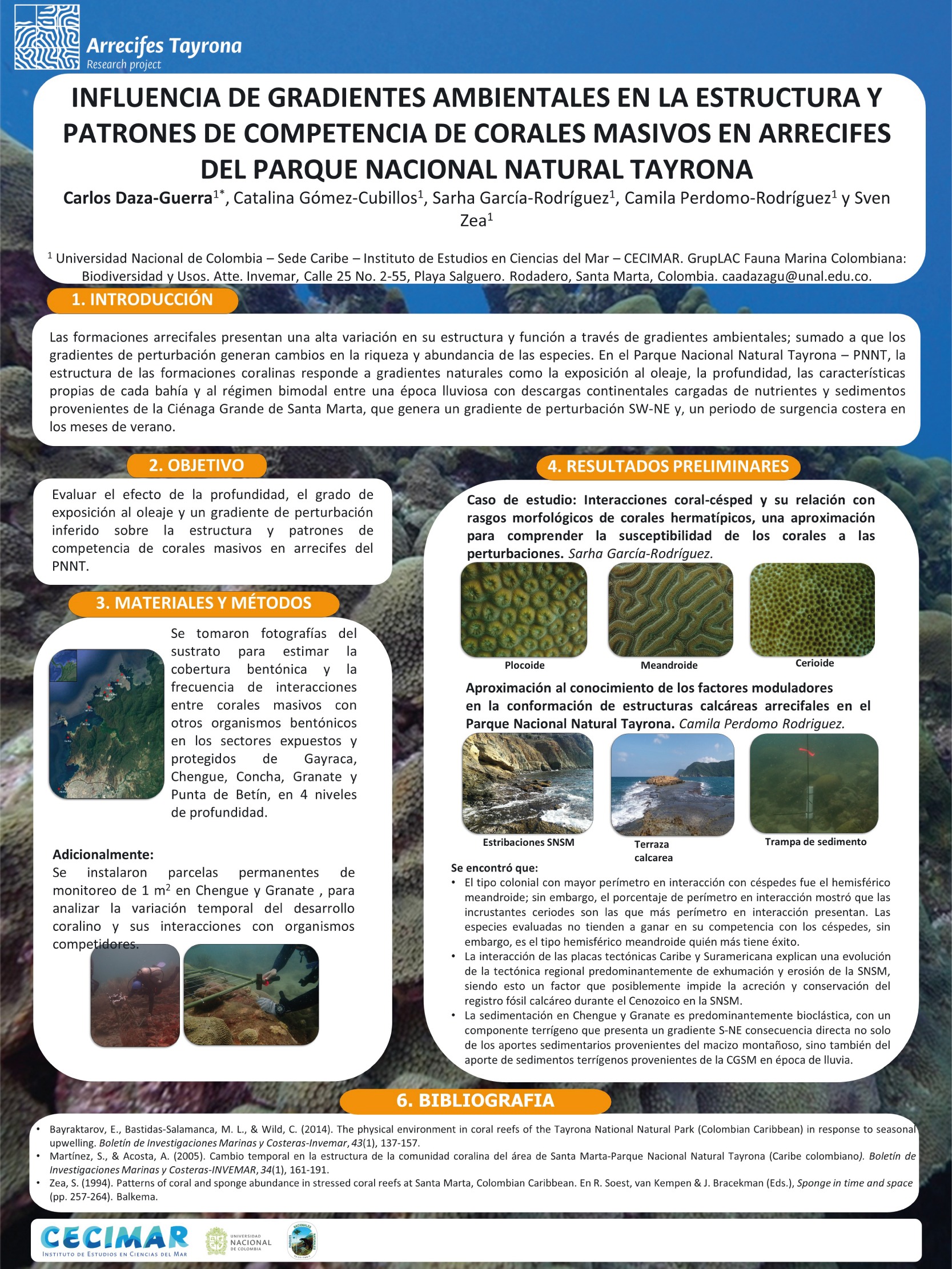
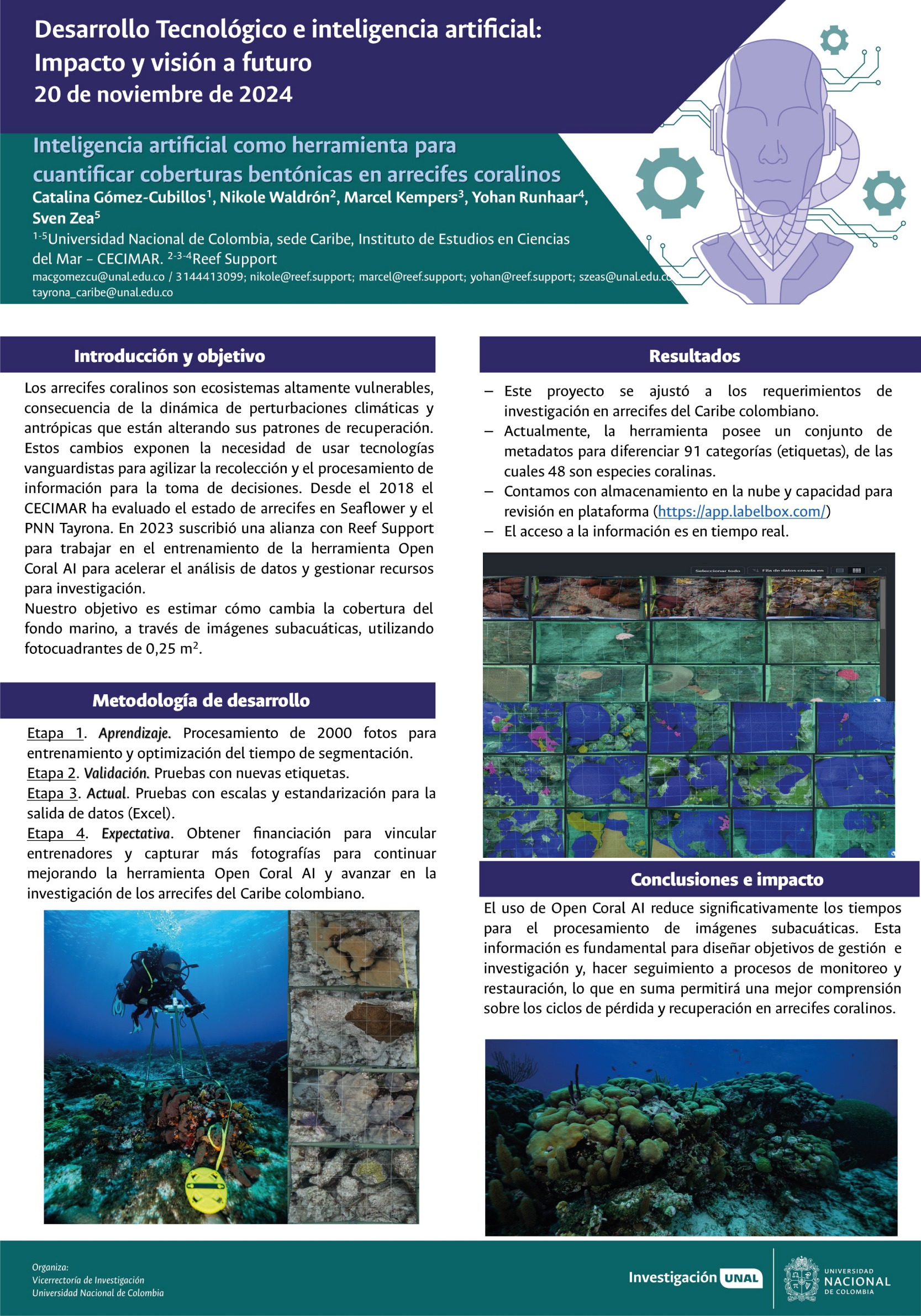
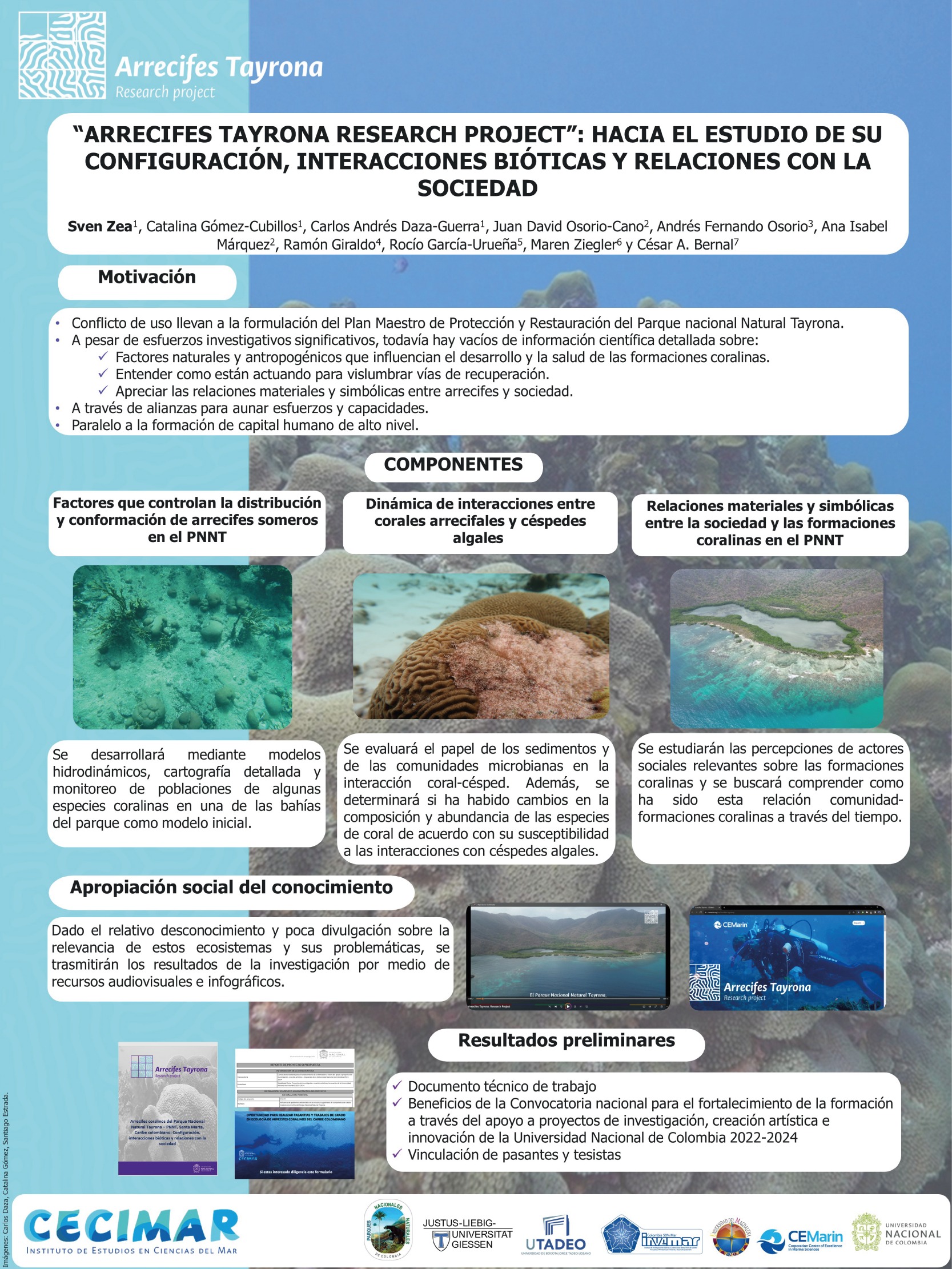
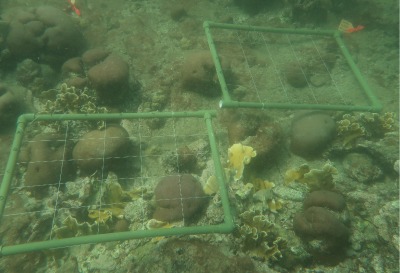
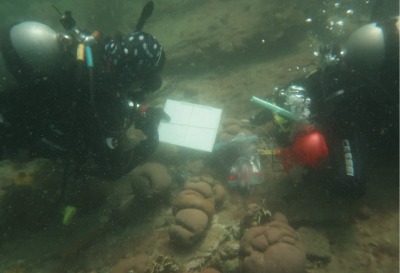
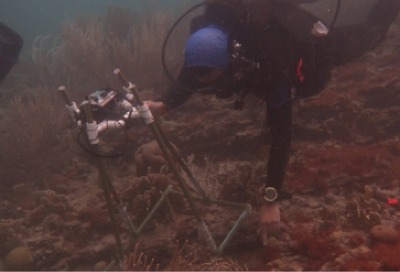
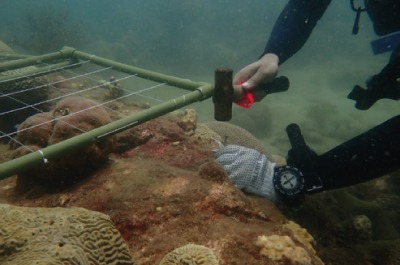
Photographs of the substrate were taken to estimate benthic cover and the frequency of interactions in both exposed and sheltered areas of Gayraca, Granate, Bahía Concha, and Punta Betín. In addition, permanent monitoring plots were established in Bahía Chengue and Granate.


Case Study: Coral–turf interactions and their relationship with the morphological traits of hermatypic corals — an approach to understanding coral susceptibility to disturbances.
Sarha García-Rodríguez
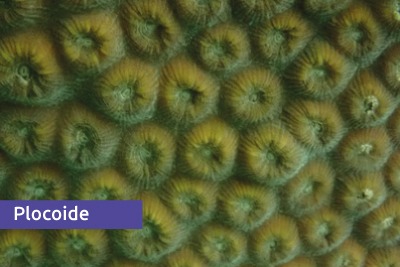
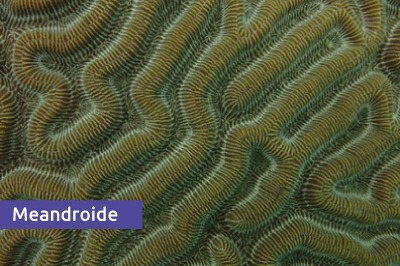
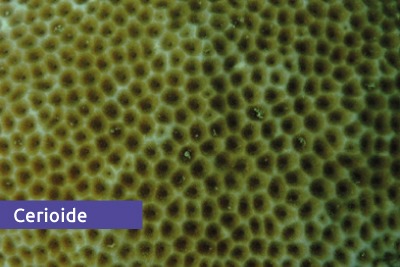
The colonial growth form with the largest perimeter in interaction with turf algae was the hemispherical-meandroid type; however, when considering the percentage of perimeter in interaction, the encrusting ceroid forms showed the highest proportion. The evaluated species generally do not tend to win in their competition with turf algae; however, it is the hemispherical-meandroid type that…n más tiene éxito.
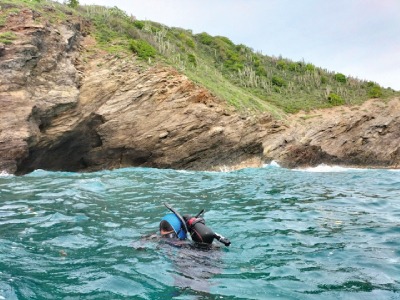
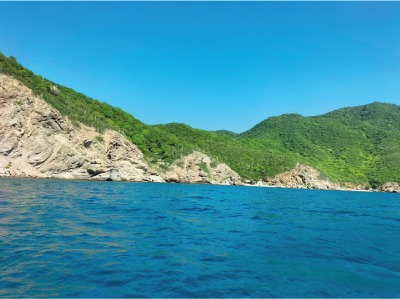
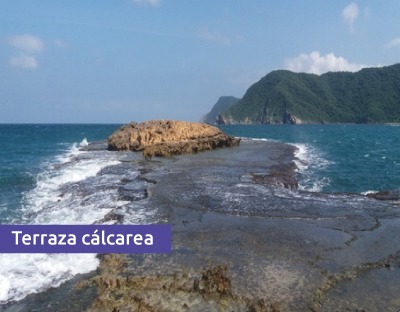
An approach to understanding the factors that modulate the formation of calcareous reef structures in Tayrona National Natural Park.
Camila Perdomo Rodríguez.
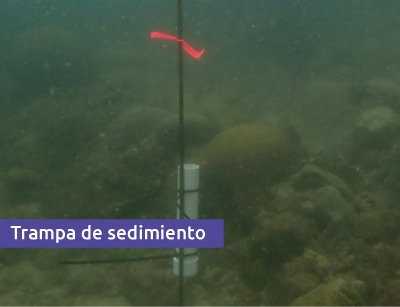
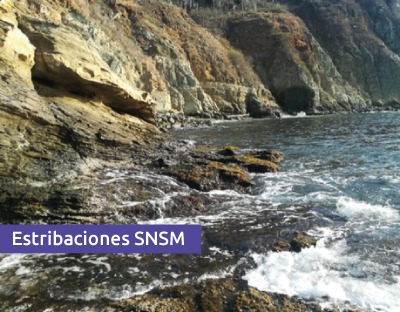
Sedimentation in Chengue and Granate is predominantly bioclastic, with a terrigenous component that shows a south–northeast gradient. This pattern is a direct consequence not only of sediment inputs from the mountainous massif but also of terrigenous material carried from the CGSM during the rainy season.
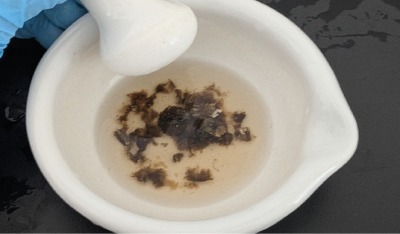
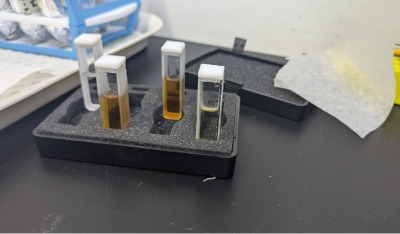
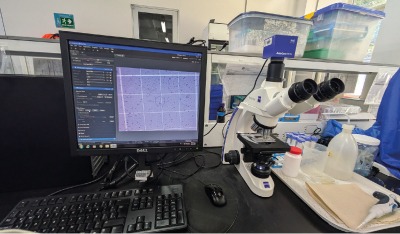
This study presents the first reference values for cell density and pigment concentration of symbiotic dinoflagellates in Montastraea cavernosa, Pseudodiploria strigosa, and Siderastrea siderea from mid-depth reefs in Tayrona National Natural Park, Colombian Caribbean.
An efficient and reproducible protocol was developed for tissue and pigment extraction, providing a useful tool for future studies and coral analysis applications.
Variation in Cell Density and Pigment Concentration of Symbiotic Dinoflagellates in Three Scleractinian Corals from the Colombian Caribbean
Camila Rodríguez-Mojica